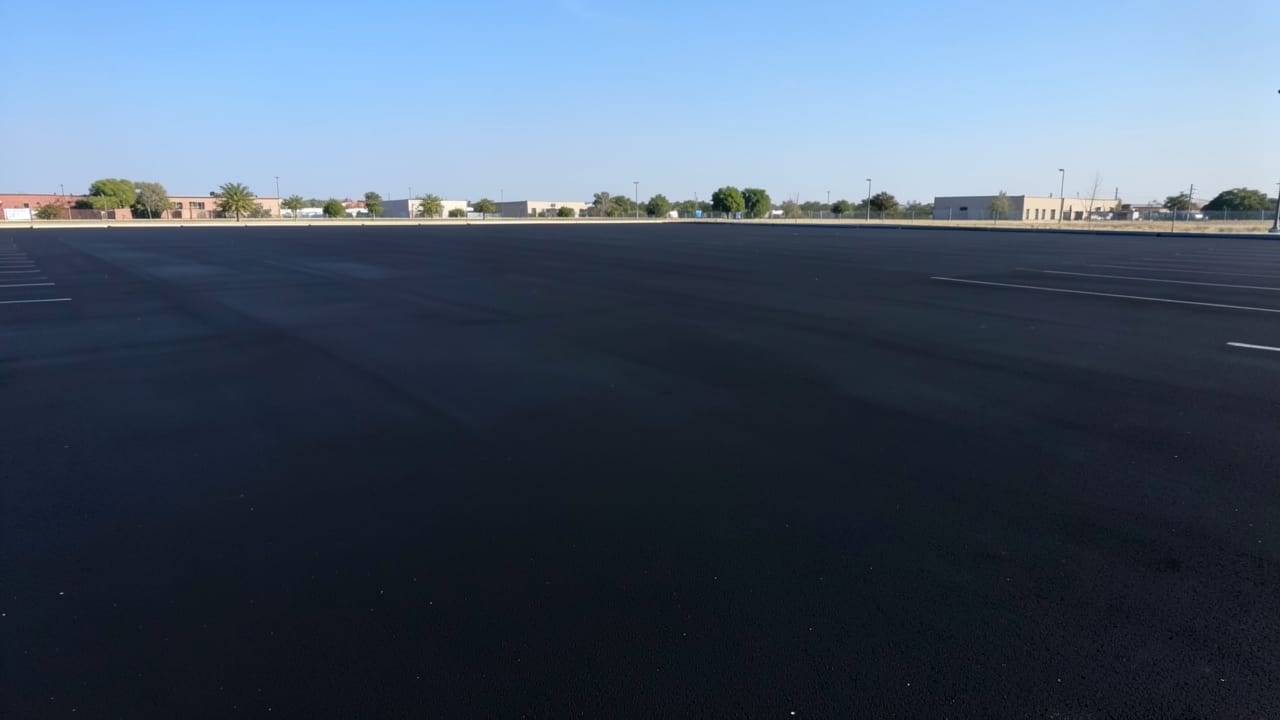
Parking Lot Cleaning
High-pressure washing to remove dirt, oil, and debris from parking lot surfaces.
Parking lot cleaning in Magnolia, TX, uses pressure washing to remove deep-seated stains, oil spills, and algae buildup from asphalt or concrete surfaces. This service restores appearance, prevents long-term damage, and extends the life of your driveway or patio by addressing specific contaminants that ordinary cleaning misses.
Local providers assess surface type, staining patterns, and drainage before applying targeted treatments and low-impact rinsing to protect surrounding landscaping.
We also handle Solar Panel Cleaning and Fleet Washing for Magnolia properties.
When your driveway needs more than a sweep
Not all stains respond to rain or sweeping. Dark, spreading oil marks, slick patches when wet, or a white powdery haze are signs of deeper contamination. Oil stains often worsen over time, while algae thrives in shaded, damp corners.
These issues require chemical pre-treatment and controlled pressure to lift—not just blast—contaminants without damaging the surface.
Sealed or decorative concrete needs special care. High-pressure blasting can strip sealant or discolor stamped patterns, leaving a blotchy finish. A professional checks for these details before selecting pressure settings and detergents, ensuring the cleaning process matches the surface type.
Signs Your Driveway Needs Pressure Washing
- Dark stains that spread at the edges after rain (oil, rust, or tire marks)
- A noticeably slick surface when wet, beyond normal wet concrete (algae or mildew film)
- White, powdery residue (efflorescence) that sweeps off but returns quickly
- Green or black discoloration in shaded corners or low spots (algae buildup)
- Visible etching or striped patterns from past cleaning attempts
What affects cost and cleaning time?
Pricing depends on surface size, material type, and staining severity—not just square footage. Decorative concrete or sealed surfaces require slower, more precise work, while plain asphalt may need fewer passes.
Low spots that hold water or heavily oiled areas demand extra attention, as does rinsing runoff away from storm drains or planting beds.
Scheduling also plays a role. If your driveway is near high-traffic areas or pets, the crew may adjust timing to avoid runoff reaching landscaping. A walkthrough before the job helps estimate the scope, as some stains (like oil) need dwell time with detergent before pressure is applied.
How parking lot cleaning works
- 1Surface Assessment
The crew inspects the driveway for material type (plain, sealed, or stamped concrete) and identifies stains—oil, algae, or mineral deposits—which determines detergent choice and pressure settings.
- 2Detergent Application
A degreasing or stain-lifting solution is sprayed on stubborn marks and left to dwell, as pressure alone can push oil deeper into the concrete rather than removing it.
- 3Controlled Pressure Cleaning
Overlapping passes with a surface cleaner attachment (held at a consistent distance) ensure even coverage, while edges and joints are finished separately at a lower pressure to avoid etching.
- 4Rinse and Containment
A final rinse with clear water directs runoff away from drains or landscaping, and the area is inspected for missed spots or damage before departure.
Frequently asked questions
Will pressure washing damage my sealed driveway?
Sealed or stamped concrete requires lower pressure than plain surfaces. A professional assesses the sealer type first—some can discolor or peel if blasted at the wrong PSI. Always confirm the method before starting.
How do I know if my white powdery residue is just dirt or something else?
Efflorescence (the white haze) is a mineral deposit that sweeps off but returns. Unlike dirt, it doesn’t wash away with water alone and often appears after rain. A mild acid-based cleaner or specialized detergent is used to dissolve it.
Can I pressure wash my driveway myself, or should I hire someone?
DIY pressure washing risks etching concrete, spreading oil stains, or damaging nearby plants from chemical runoff. Professionals use surface cleaners, containment methods, and detergents tailored to your driveway’s material and stains.
Will the cleaning make my driveway stay cleaner longer?
Sealing the surface after cleaning fills pores where stains re-enter, but results depend on maintenance. Sweeping regularly and treating spills (like oil) within 24 hours helps the finish last longer than it would without these steps.
Where Magnolia sits, and what the Census lists nearby
Magnolia sits in Texas, and the closest places listed in the U.S. Census Gazetteer are Pinehurst (2.9 miles southeast), Stagecoach (5.5 miles southeast), Todd Mission (6.2 miles northwest), Pinebrook (10.5 miles northwest). Within 25 miles of Magnolia the same source lists 24 distinct incorporated places and census-designated places.
Those figures matter for parking lot cleaning because they are straight-line distances between Census coordinate points: road mileage between Magnolia and Pinehurst runs longer than the 2.9 miles shown, which is why quotes for the same job differ between towns that look close together on a map.
Source: U.S. Census Bureau Gazetteer.
See Anderson, TX for more, or check out everything Magnolia homeowners can book with us from start to finish for our complete lineup.
Ready to get started?
Talk to a local pressure washing pro in Magnolia — get a written quote.
Other Pressure Washing Services in Magnolia
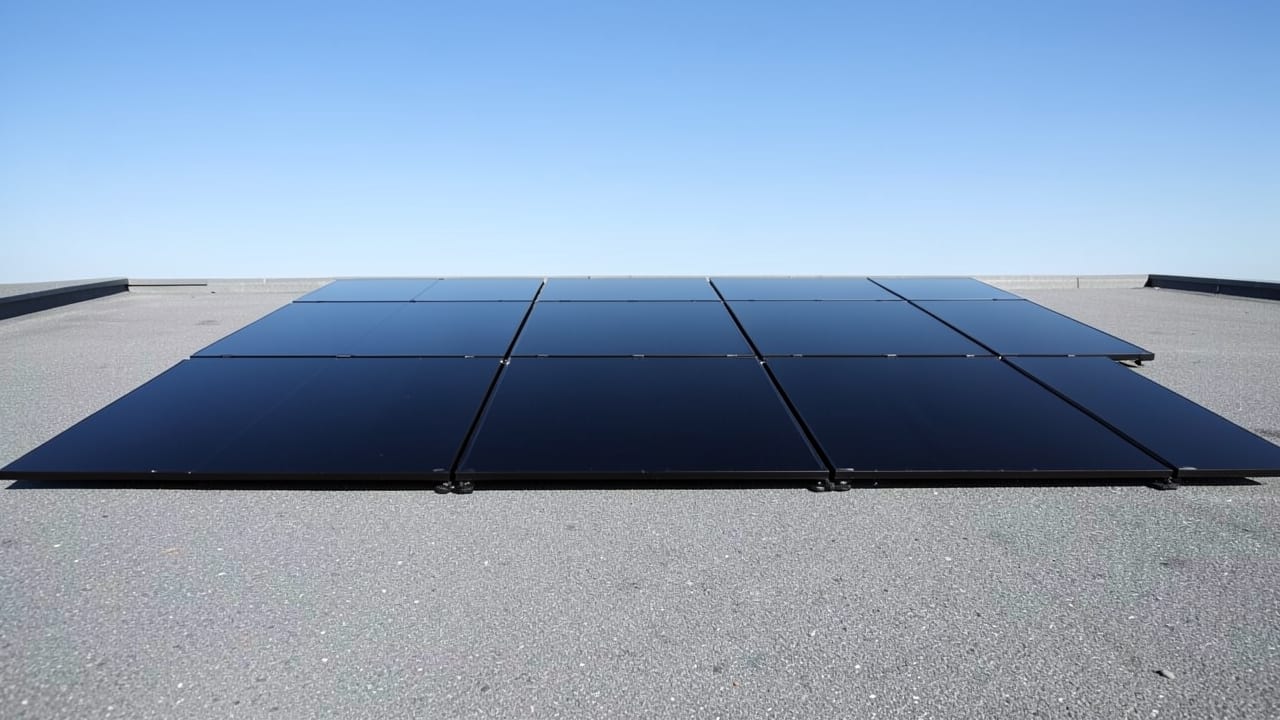
Solar Panel Cleaning in Magnolia, TX
Solar panel cleaning in Magnolia, TX — low-pressure, purified-water rinse that restores panel output without scratching the glass.
Learn More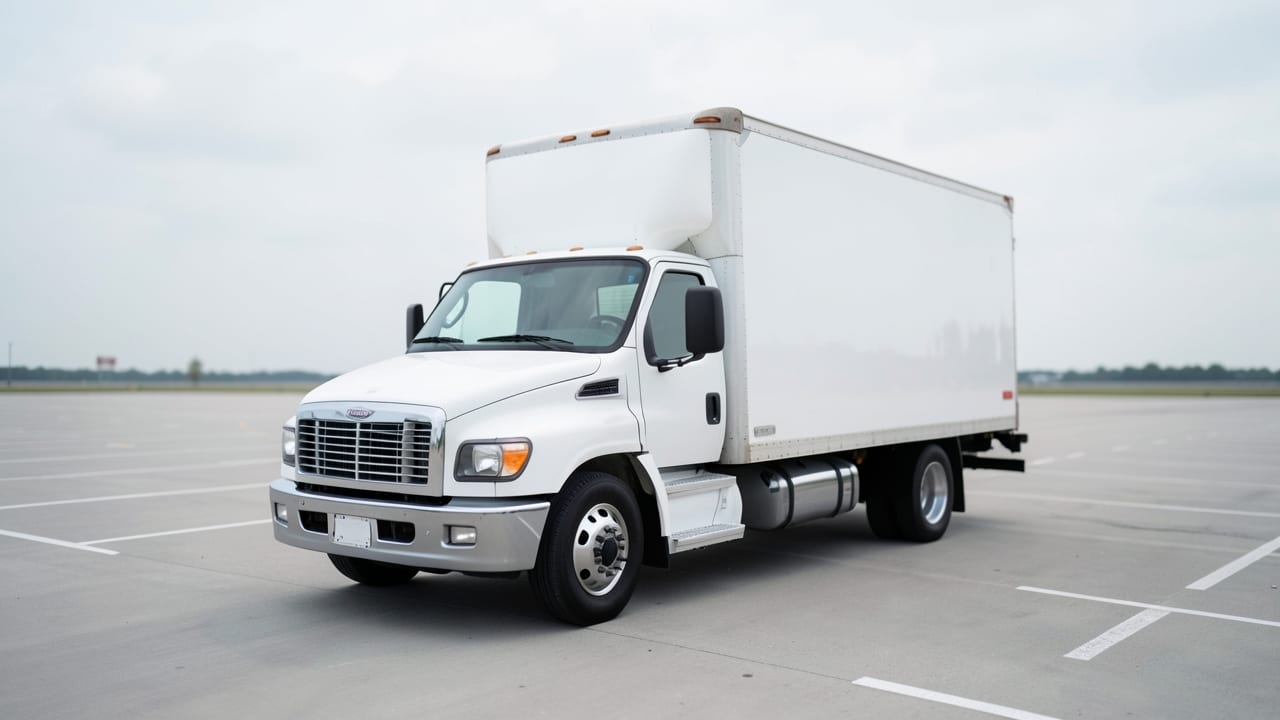
Fleet Washing in Magnolia, TX
Mobile fleet washing for commercial vehicles in Magnolia, TX — on-site cleaning for work trucks and vans.
Learn More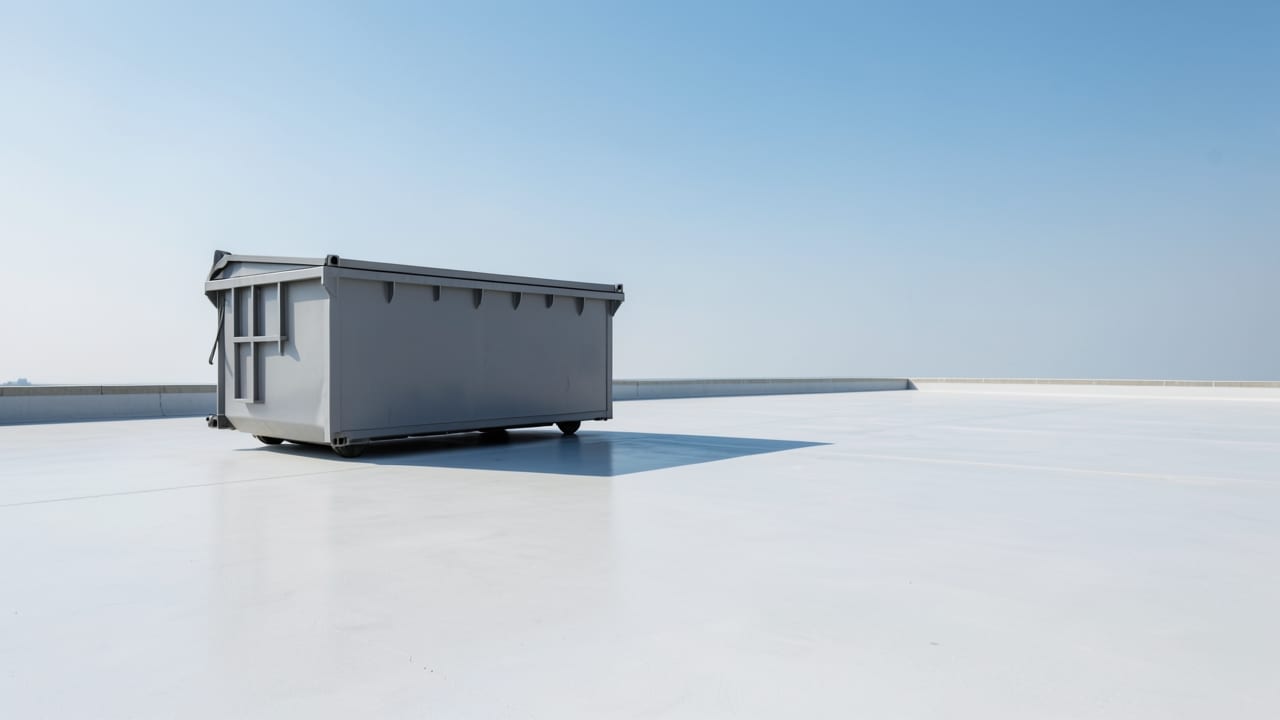
Dumpster Pad Cleaning in Magnolia, TX
Commercial dumpster pad cleaning in Magnolia, TX — hot-water sanitizing for grease, odor, and staining.
Learn More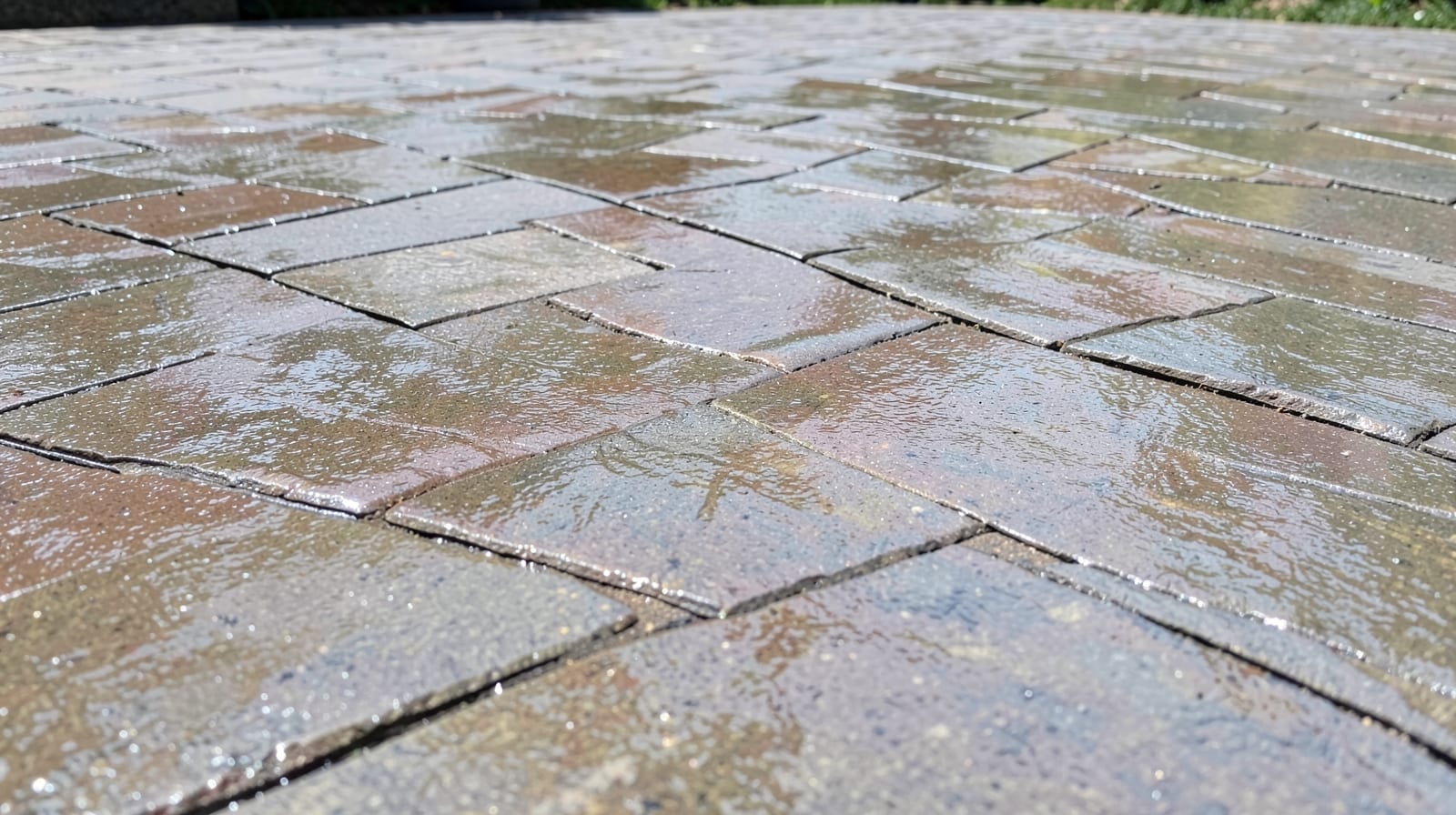
Paver Sealing in Magnolia, TX
Paver sealing in Magnolia, TX — a protective, wet-look finish applied after cleaning to lock in color and block stains.
Learn More
Awning & Canopy Cleaning in Magnolia, TX
Awning and canopy cleaning in Magnolia, TX — fabric-safe, low-pressure cleaning for storefront and residential awnings.
Learn More
Pool Deck Cleaning in Magnolia, TX
Pool deck cleaning in Magnolia, TX — chemical-safe cleaning that restores slip resistance and removes algae staining.
Learn MoreCommon Questions About Pressure Washing in Magnolia
Everything you need to know about pressure washing services in Magnolia
How much does Parking Lot Cleaning typically cost in Magnolia, TX?
Why does algae and mildew growth on homes in Magnolia, TX come back so quickly?
Can the wrong PSI actually damage a house or driveway?
What's the actual difference between pressure washing and soft washing?
How often should a home's exterior actually be washed?
Are the cleaning chemicals used in soft washing safe for landscaping and pets?
Need Pressure Washing in Magnolia?
Get a written quote from our Magnolia crew.
⏰ We answer your call • Serving all of Magnolia and surrounding areas