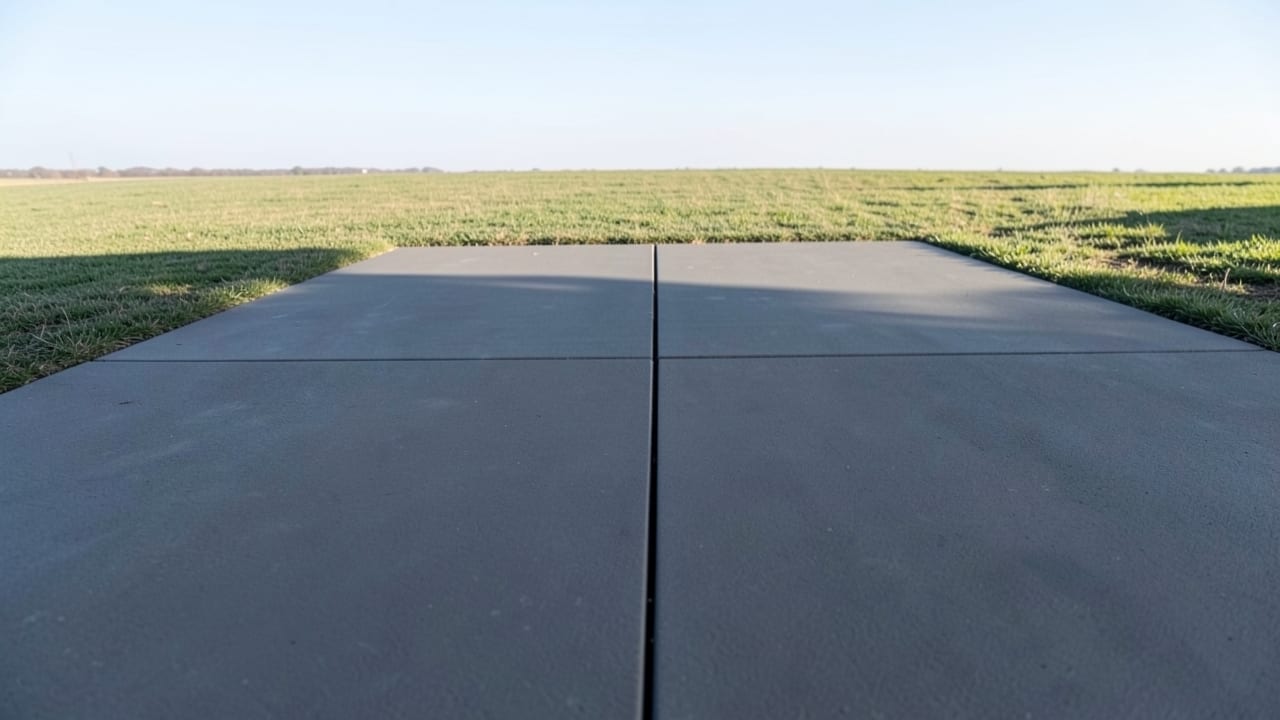
Oil Stain Removal
High-pressure cleaning to remove oil stains from driveways, garages, and other surfaces.
Oil stains on driveways, garages, and concrete surfaces in Magnolia, TX, can be stubborn and unsightly, often caused by vehicle leaks, machinery spills, or industrial runoff. Specialized pressure washing techniques are used to lift and remove these stains safely, restoring the appearance of your property without damaging the surface.
This process requires precision to avoid spreading residue or harming nearby landscaping or structures.
We also handle Pool Deck Cleaning and Mildew Treatment for Magnolia properties.
When to address oil stains
Oil stains often start as small, discolored spots that darken and spread over time if left untreated. They appear most commonly on driveways, garage floors, and concrete patios where vehicles or equipment are frequently parked or moved.
Unlike dirt or grime, oil stains don’t wash away with regular cleaning—they require targeted pressure washing and chemical treatment to break down and lift the residue.
If you notice persistent dark spots that don’t fade with soap and water, or if the stain feels greasy to the touch, it’s likely oil-based. These stains can also attract more dirt, making the area look even worse over time.
Addressing them early helps prevent permanent discoloration and keeps your property looking well-maintained.
Signs You Need Oil Stain Removal
- Dark, greasy spots that don’t wash away with soap and water
- Stains that appear to spread or darken over time, especially in high-traffic areas
- A slick or sticky residue when touched, indicating oil or fuel contamination
- Visible discoloration on concrete, asphalt, or pavers that stands out against the rest of the surface
What affects the process and cost
The size and condition of the stained area, as well as the type of surface (concrete, asphalt, or pavers), influence both the method used and the time required. Larger or heavily stained areas may need additional passes or specialized detergents to fully restore the surface.
Additionally, protecting nearby landscaping, outlets, and fixtures is a standard part of the process to prevent damage from runoff or overspray.
In Magnolia, the typical cost for oil stain removal reflects the scope of the job, with smaller driveways or single-car garages falling on the lower end of the range.
Larger or more complex surfaces, such as heavily stained pavers or multi-car driveways, will require more time and materials, adjusting the final price accordingly.
Preparing your property
Before the oil stain removal process begins, the technician will take steps to protect your property. Landscaping near the work area is wetted down and covered to prevent damage from detergent runoff, and any exterior outlets, fixtures, or plants are shielded.
This ensures the cleaning solution doesn’t cause unintended harm while targeting only the stained surfaces.
Once protection is in place, the process focuses on breaking down the oil residue without damaging the concrete or surrounding materials. The goal is to restore the surface while maintaining its integrity and appearance.
Move outdoor decorations, potted plants, or furniture away from the work area to avoid accidental damage from overspray or runoff. If you have a pet that frequents the driveway or garage, keep them indoors during the process for their safety.
How oil stain removal works
This process combines specialized detergents and controlled pressure to lift and eliminate oil stains from concrete surfaces.
- 1Surface Assessment
The technician inspects the stained area to determine the severity of the oil residue and the type of surface being treated. This helps decide the appropriate detergent and pressure settings.
- 2Pre-Treatment Application
A cleaning solution formulated to break down oil and grease is applied to the stained surface. This solution is left to dwell for a set time, allowing it to penetrate and loosen the residue.
- 3Pressure Washing
Using a pressure washer with a wide-fan tip and controlled pressure, the technician systematically cleans the surface, working from the top down. This step lifts the loosened oil and detergent away without damaging the concrete.
- 4Final Rinse and Inspection
The surface is rinsed with clear water to remove all detergent residue, and the technician performs a final inspection to ensure the stains are fully removed and no damage has occurred to the surface.
Frequently asked questions
Will pressure washing damage my driveway or garage floor?
When done correctly, pressure washing is designed to clean without damaging concrete or asphalt surfaces. The technician uses controlled pressure and appropriate detergents to target stains while preserving the integrity of the material. However, improper technique can cause surface erosion, so hiring a professional ensures the job is done safely.
How long will the results last after oil stain removal?
The longevity of the results depends on factors like foot traffic, vehicle use, and exposure to elements. Treating the surface with a sealant after cleaning can help extend the appearance of the finish, but regular maintenance will be needed to prevent new stains from forming.
Can oil stains be removed from pavers as well as concrete?
Yes, oil stains can be removed from pavers using similar techniques, though the process may require additional care to avoid shifting or damaging the pavers. The technician will assess the condition of the pavers and adjust the method accordingly to ensure safe and effective cleaning.
What should I do if the stains return after cleaning?
If oil stains reappear, it may indicate ongoing leaks, frequent exposure to oil or grease, or insufficient sealing. Addressing the source of the stains—such as fixing a vehicle leak—and scheduling periodic maintenance can help keep the surface looking clean longer.
Where Magnolia sits, and what the Census lists nearby
Magnolia sits in Texas, and the closest places listed in the U.S. Census Gazetteer are Pinehurst (2.9 miles southeast), Stagecoach (5.5 miles southeast), Todd Mission (6.2 miles northwest), Pinebrook (10.5 miles northwest). Within 25 miles of Magnolia the same source lists 24 distinct incorporated places and census-designated places.
Those figures matter for oil stain removal because they are straight-line distances between Census coordinate points: road mileage between Magnolia and Pinehurst runs longer than the 2.9 miles shown, which is why quotes for the same job differ between towns that look close together on a map.
Source: U.S. Census Bureau Gazetteer.
See Spring, TX for more, or see our full crew's Magnolia services for our complete lineup.
Ready to get started?
Talk to a local pressure washing pro in Magnolia — get a written quote.
Other Pressure Washing Services in Magnolia

Pool Deck Cleaning in Magnolia, TX
Pool deck cleaning in Magnolia, TX — chemical-safe cleaning that restores slip resistance and removes algae staining.
Learn More
Mildew Treatment in Magnolia, TX
Professional pressure washing to remove mildew from exterior surfaces like siding, decks, and fences.
Learn More
Stone Cleaning in Magnolia, TX
High-pressure washing to remove dirt, grime, and stains from stone surfaces like driveways and patios.
Learn More
Patio Cleaning in Magnolia, TX
High-pressure washing to remove dirt, grime, and stains from patios, restoring their appearance.
Learn More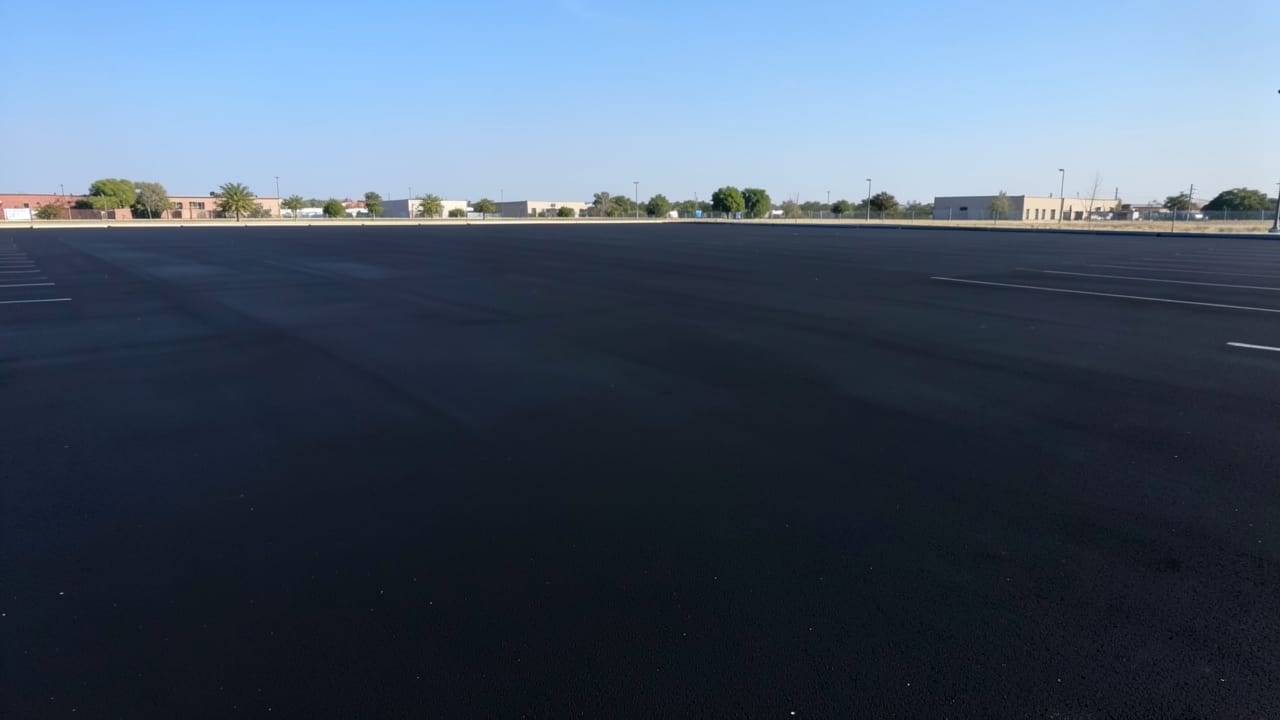
Parking Lot Cleaning in Magnolia, TX
High-pressure washing to remove dirt, oil, and debris from parking lot surfaces.
Learn More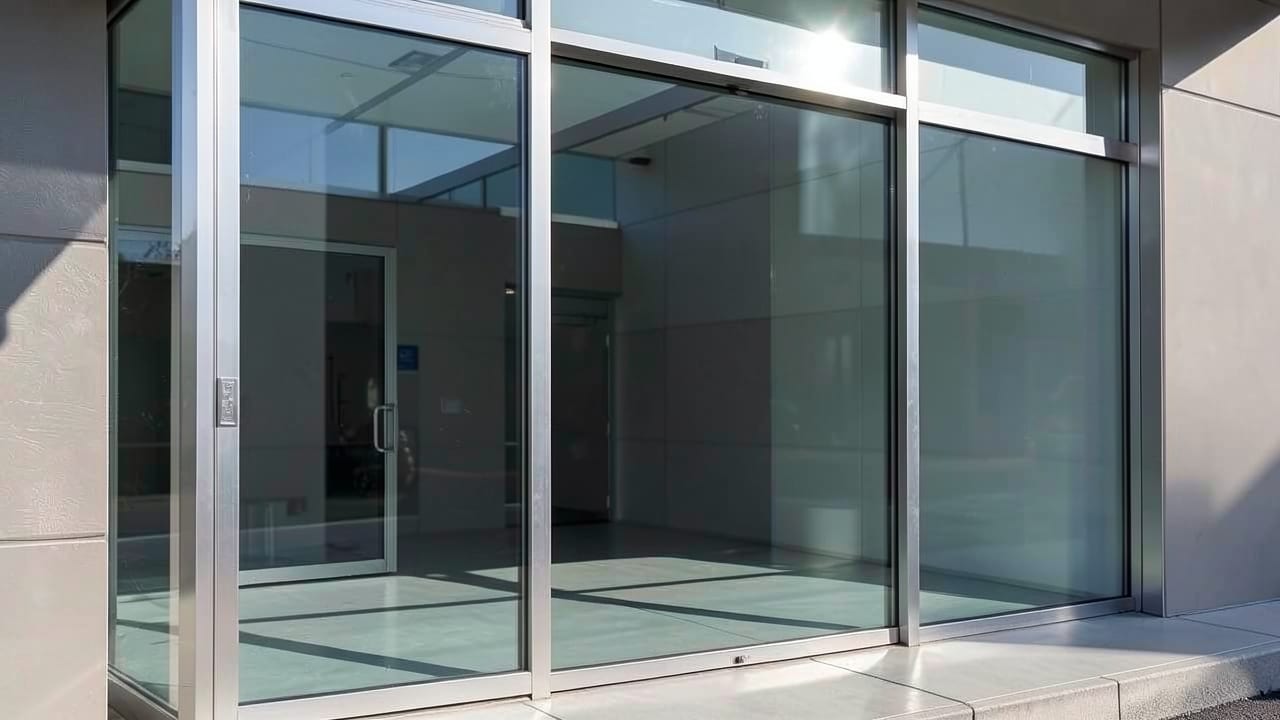
Storefront Cleaning in Magnolia, TX
High-pressure washing to remove dirt, grime, and stains from storefront exteriors.
Learn MoreCommon Questions About Pressure Washing in Magnolia
Everything you need to know about pressure washing services in Magnolia
How much does Oil Stain Removal typically cost in Magnolia, TX?
Why does algae and mildew growth on homes in Magnolia, TX come back so quickly?
What's the actual difference between pressure washing and soft washing?
How often should a home's exterior actually be washed?
Are the cleaning chemicals used in soft washing safe for landscaping and pets?
Would home insurance cover damage caused by improper pressure washing?
Need Pressure Washing in Magnolia?
Get a written quote from our Magnolia crew.
⏰ We answer your call • Serving all of Magnolia and surrounding areas