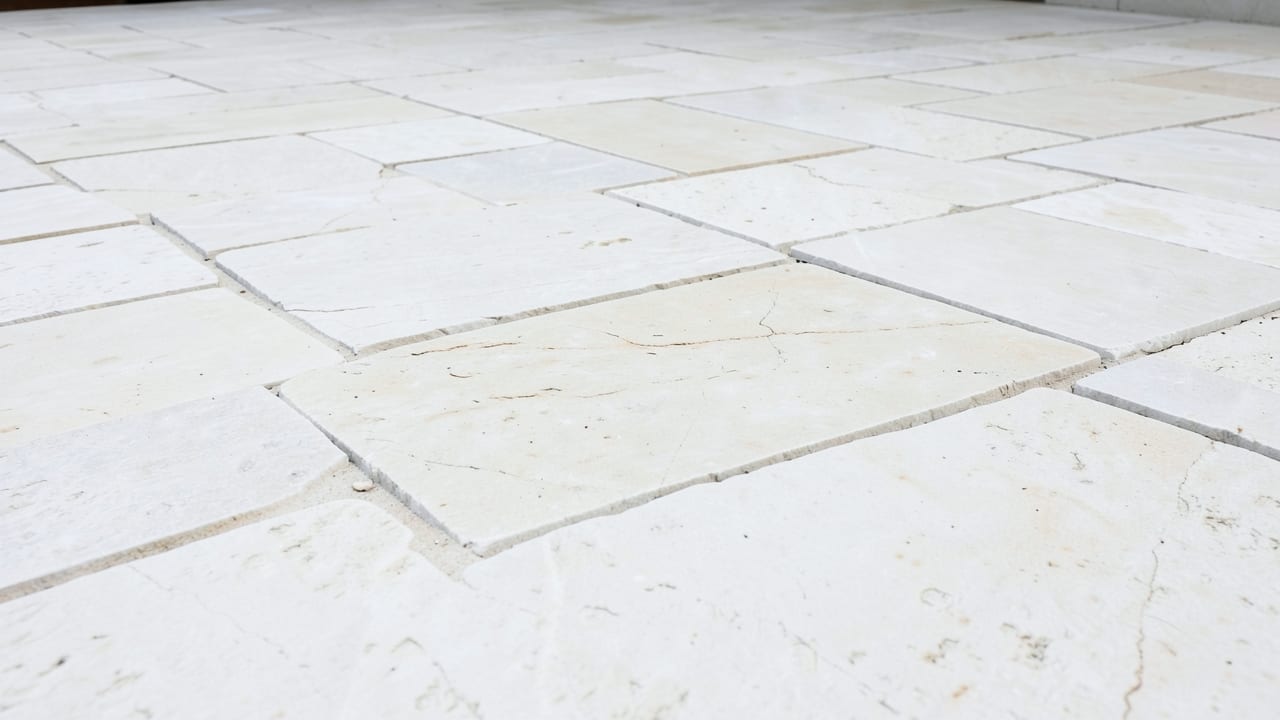
Stone Cleaning
High-pressure washing to remove dirt, grime, and stains from stone surfaces like driveways and patios.
In Magnolia, TX, stone cleaning restores the natural beauty of patios, walkways, and retaining walls by removing embedded dirt, algae, and mineral deposits. This process uses controlled pressure washing and specialized solutions to protect softer materials while improving curb appeal and preventing long-term damage from moisture and erosion.
When stone cleaning is needed
Stone surfaces often hide signs of damage beneath layers of grime. Efflorescence—a white, chalky haze—appears when moisture carries minerals to the surface, while algae or mildew may show as greenish or black films in shaded areas.
We also handle Exterior Door Cleaning and Downspout Cleaning for Magnolia properties.
Dark staining concentrated below downspouts or rooflines indicates repeated water runoff carrying dirt. These signs suggest the material is absorbing moisture, accelerating wear and creating ideal conditions for further buildup.
Mortar joints that look recessed or crumble under gentle pressure are another key indicator. These joints absorb moisture more readily, making them prone to algae growth and further deterioration.
Addressing these issues early helps prevent costly repairs down the road, as repointing or replacing damaged mortar becomes necessary when erosion progresses.
Signs Your Stone Needs Cleaning
- White, chalky patches (efflorescence) spreading across brick or stone surfaces.
- Greenish or black films, especially on shaded or less sun-exposed sides of walls.
- Dark staining directly below downspouts, gutters, or rooflines, indicating water runoff.
- Mortar joints that appear recessed, crumbling, or absorb moisture more than surrounding material.
- Visible streaking or discoloration that doesn’t wash off with a garden hose.
What affects pricing and timing
The size of the area to be cleaned is the primary factor in pricing, with most full-house exterior stone cleaning jobs in the Magnolia area falling within a typical range. However, the condition of the mortar and stone plays a larger role in determining the method and care required.
Older or softer stone may need lower pressure settings to avoid pitting, while heavily stained or effloresced surfaces may require additional treatments to fully restore their appearance.
Accessibility also impacts timing. Tight spaces, multi-level structures, or areas with intricate detailing—like decorative stonework or uneven surfaces—demand more time and precision. Additionally, weather conditions can delay the job; washing masonry before a cold snap risks trapping moisture in the material, leading to freeze-thaw damage.
Scheduling around dry, mild weather ensures the best results and prevents complications.
Preparing your property
Before stone cleaning begins, removing nearby plants, mulch, or decorations from the base of walls and surfaces helps protect them from overspray and allows for closer, more precise work. Outdoor furniture, grills, and play equipment should be moved to a safe distance, as even low-pressure washing can dislodge debris.
Securing loose items like potted plants or hanging lights prevents them from becoming projectiles in the spray.
Homeowners should also inspect their property for pre-existing damage, such as cracked paint, loose bricks, or deteriorating mortar. While cleaning can reveal these issues, addressing them afterward may require additional repairs. Noting any areas of concern before the job starts helps clarify expectations and avoids surprises later.
If your property has a vapor-permeable sealer applied in the past, mention it—this affects how cleaning chemicals and moisture interact with the surface.
Do not use high-pressure DIY washers on masonry—even at low settings, they can erode mortar or pit softer stone. Avoid applying non-breathable sealers before cleaning, as they trap moisture and worsen efflorescence. And never schedule cleaning right before freezing temperatures, as trapped moisture can crack stone from within.
How stone cleaning works
This process balances pressure, chemistry, and precision to restore stone without damaging it.
- 1Mortar and Surface Inspection
The technician examines mortar joints and stone for crumbling or recession. Older or weakened mortar requires lower pressure settings to avoid accelerating erosion, while softer stone may need even gentler treatment to prevent pitting.
- 2Low-Pressure Washing Across the Face
Water is directed across the surface—not into the joints—to lift embedded dirt, algae, and stains. The pressure is adjusted based on the material’s hardness, with natural stone and older brick typically needing 1,200–2,000 PSI, while modern brick can handle slightly higher settings.
- 3Chemical Treatment for Stubborn Buildup
Efflorescence and organic stains are treated with a masonry-safe solution rather than scrubbed off. This prevents surface pitting and ensures minerals are dissolved rather than forced deeper into the material, where they can cause further damage.
- 4Detail Work at Edges and Joints
Corners, window sills, and areas around mortar joints are finished with reduced pressure and closer control. This step balances removing grime from textured surfaces while minimizing wear on already-compromised joints.
- 5Final Rinse and Inspection
A thorough rinse clears loosened residue, and mortar joints are rechecked for deterioration. Any newly visible damage—such as recessed joints or loose bricks—is noted for potential repairs, ensuring homeowners understand the current state of their masonry.
Frequently asked questions
Will stone cleaning damage my older brick or natural stone?
Older or softer brick and natural stone can pit or lose texture if washed at pressures suitable for harder materials. A professional assessment checks the material’s condition first, adjusting pressure and technique to match its hardness and age—typically 1,200–2,000 PSI for most historic or softer stone.
How often should I clean my stone surfaces to keep them looking new?
Stone surfaces typically benefit from cleaning every 2–3 years, depending on exposure to moisture, shade, and runoff. Reducing recurring stains involves redirecting downspouts away from walls, trimming plants that trap moisture, and applying a vapor-permeable sealer afterward to slow future buildup.
Can stone cleaning remove efflorescence permanently?
Efflorescence is a mineral deposit that reappears if moisture continues to migrate through the masonry. Cleaning removes the surface haze, but addressing the root cause—such as improving drainage or sealing the stone—helps delay its return. Results vary based on how well existing moisture issues are managed.
What should I do if my mortar looks crumbling after the cleaning?
Cleaning often reveals pre-existing joint deterioration that wasn’t visible under layers of grime. If mortar appears recessed or crumbly, a professional can recommend repointing or other repairs to stabilize it. Noting these issues during the inspection helps prioritize fixes before further damage occurs.
Where Magnolia sits, and what the Census lists nearby
Magnolia sits in Texas, and the closest places listed in the U.S. Census Gazetteer are Pinehurst (2.9 miles southeast), Stagecoach (5.5 miles southeast), Todd Mission (6.2 miles northwest), Pinebrook (10.5 miles northwest). Within 25 miles of Magnolia the same source lists 24 distinct incorporated places and census-designated places.
Those figures matter for stone cleaning because they are straight-line distances between Census coordinate points: road mileage between Magnolia and Pinehurst runs longer than the 2.9 miles shown, which is why quotes for the same job differ between towns that look close together on a map.
Source: U.S. Census Bureau Gazetteer.
See Pine Island, TX for more, or find out about our complete Magnolia service list in detail for our complete lineup.
Ready to get started?
Talk to a local pressure washing pro in Magnolia — get a written quote.
Other Pressure Washing Services in Magnolia

Exterior Door Cleaning in Magnolia, TX
High-pressure cleaning to remove dirt, grime, and stains from exterior doors.
Learn More
Downspout Cleaning in Magnolia, TX
Clearing clogged downspouts to ensure proper drainage and prevent water damage.
Learn More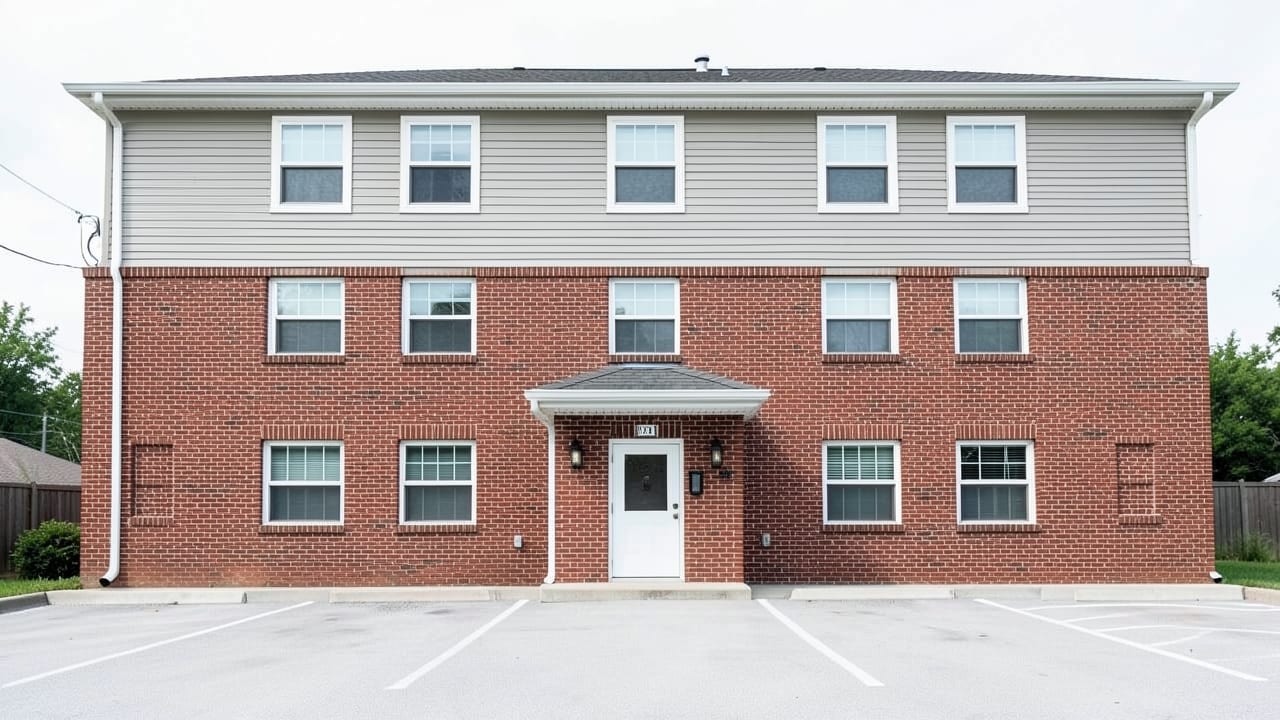
Apartment Complex Washing in Magnolia, TX
High-pressure cleaning of apartment building exteriors, walkways, and common areas to remove dirt and grime.
Learn More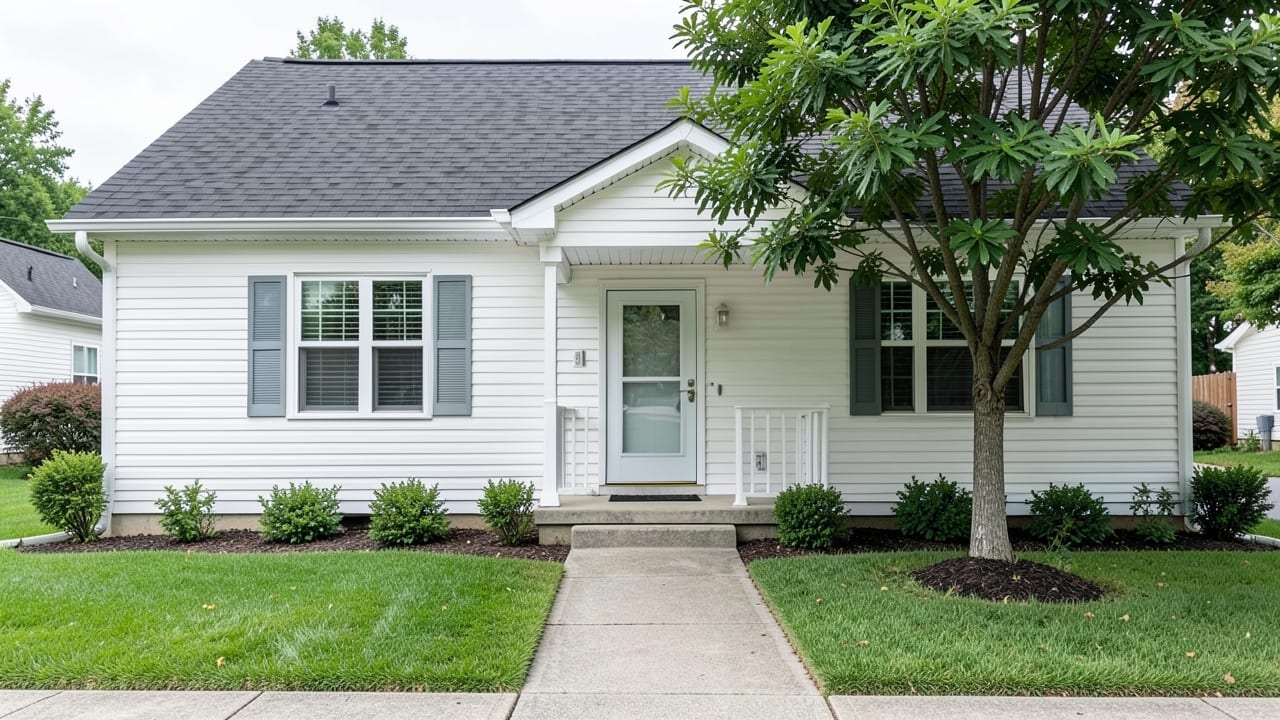
Rental Property Washing in Magnolia, TX
High-pressure cleaning of rental property exteriors to remove dirt, grime, and mold.
Learn More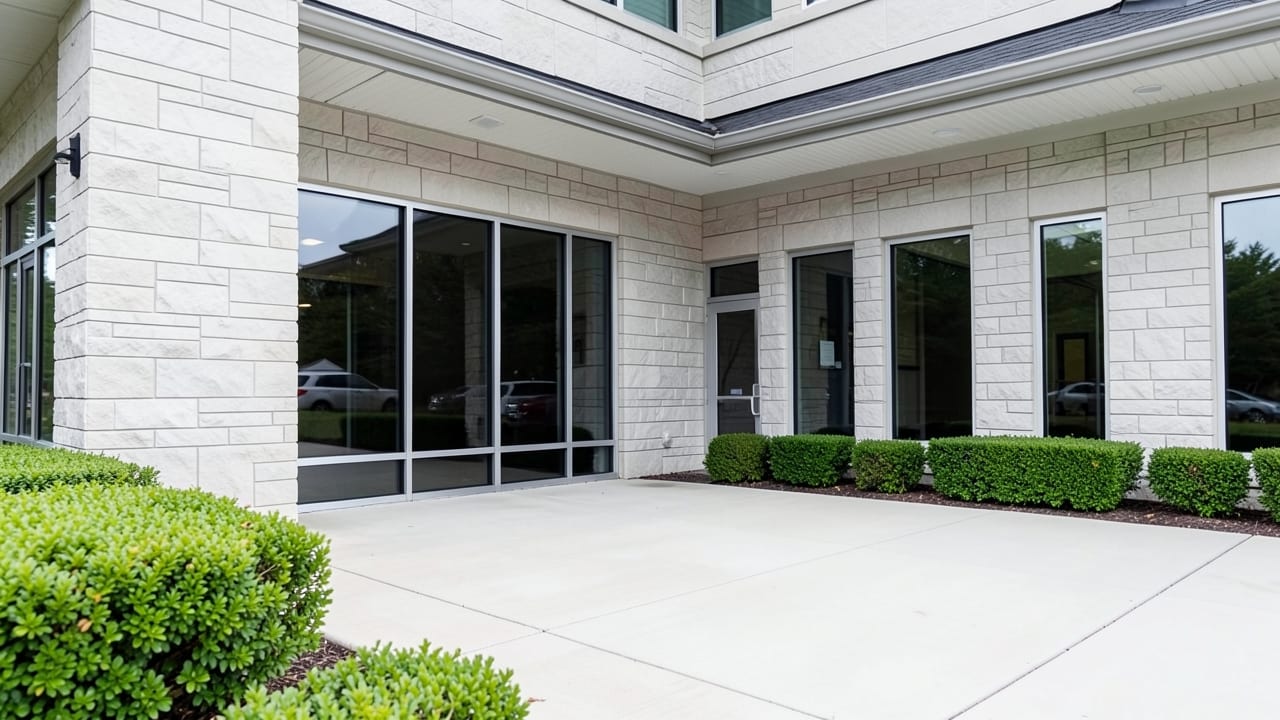
HOA Common Area Washing in Magnolia, TX
Pressure washing HOA common areas like sidewalks, playgrounds, and entryways to remove dirt and grime.
Learn More
School Building Washing in Magnolia, TX
High-pressure cleaning of school building exteriors to remove dirt, grime, and stains.
Learn MoreCommon Questions About Pressure Washing in Magnolia
Everything you need to know about pressure washing services in Magnolia
How much does Stone Cleaning typically cost in Magnolia, TX?
Why does algae and mildew growth on homes in Magnolia, TX come back so quickly?
How long does washing a typical house exterior take?
Can pressure washing damage concrete, pavers, or mortar joints?
What are the actual named steps in a professional pressure washing job?
Can the wrong PSI actually damage a house or driveway?
Need Pressure Washing in Magnolia?
Get a written quote from our Magnolia crew.
⏰ We answer your call • Serving all of Magnolia and surrounding areas