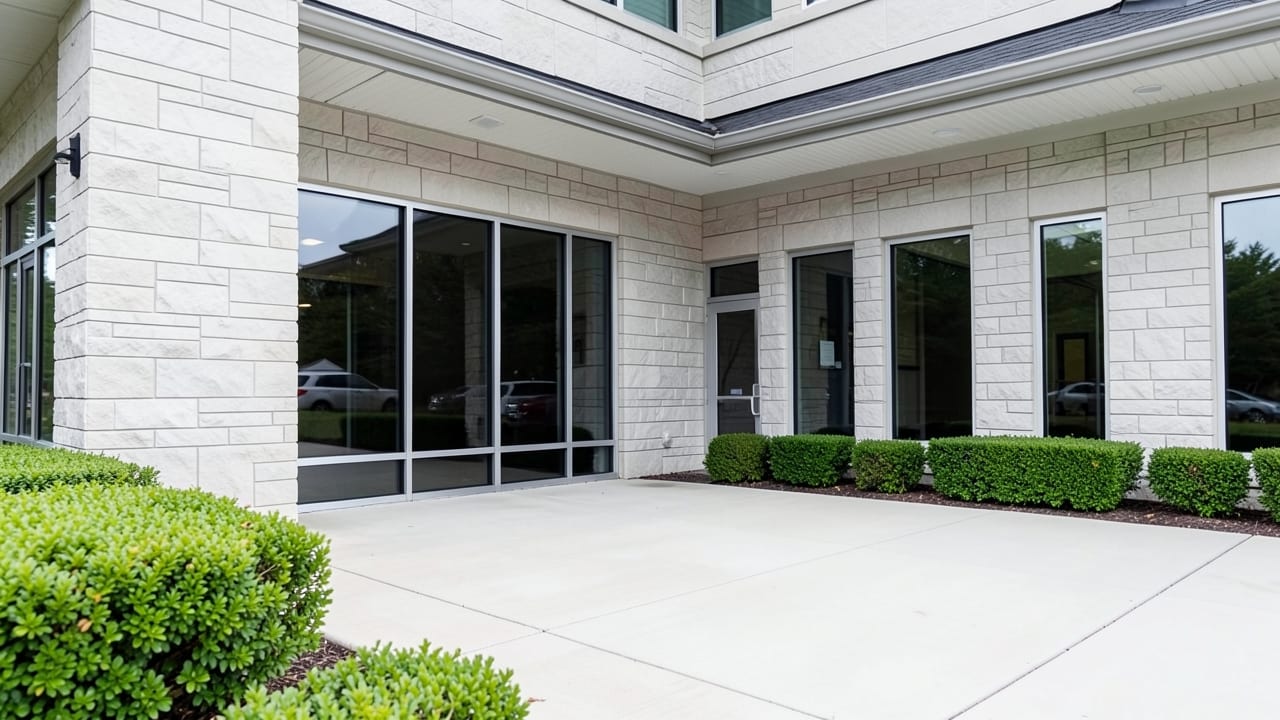
HOA Common Area Washing
Pressure washing HOA common areas like sidewalks, playgrounds, and entryways to remove dirt and grime.
HOA common area washing in Magnolia, TX, restores shared spaces like walkways, benches, and signage to a clean, welcoming state. This service removes built-up dirt, algae, and stains that accumulate over time, helping maintain curb appeal for the entire neighborhood.
Proper techniques protect surfaces and landscaping while ensuring a thorough, even finish.
We also handle Driveway & Concrete Cleaning and Roof Washing (Soft Wash) for Magnolia properties.
When is HOA common area washing needed?
HOA common areas often show gradual dirt buildup that can go unnoticed until it becomes obvious. Look for green or black streaking on shaded or north-facing surfaces—this is typically algae or mildew, which spreads steadily if left untreated.
Cobwebs, insect debris, and dirt collecting in corners, under eaves, or around light fixtures are also early signs that cleaning is needed.
Another way to check is by removing small items like house numbers or planters and comparing the covered patch to the exposed surface. If the exposed area looks faded or dirtier, it’s time for a wash.
Additionally, vegetation touching or growing close to surfaces keeps that section damp, accelerating algae growth. Trimming back plants can help slow future buildup in those areas.
Signs Your HOA Common Area Needs Washing
- Green or black streaking on shaded or north-facing surfaces (algae/mildew).
- Cobwebs, dirt, or insect debris in corners, under eaves, or around light fixtures.
- Uneven streaking or 'zebra striping' on light-colored surfaces after a previous wash.
- Vegetation touching or growing close to surfaces, keeping them damp longer.
How cleaning methods affect results
Pressure washing HOA common areas requires careful attention to surface types and environmental factors. Soft-wash methods—using low-pressure detergents—are often safer for delicate surfaces like wood, stucco, or fiber cement, while higher pressure may be needed for concrete or metal.
Pre-treatment with the right cleaning solution helps break down algae and mildew chemically, reducing the need for high pressure, which can damage materials.
Proper technique also prevents issues like water being forced behind siding or uneven streaking. Moving the wand at a consistent speed and using the correct pressure for the material helps avoid damage and ensures a clean, even finish.
Always check for pre-existing damage, such as cracked paint or loose mortar, which may become visible once dirt is removed.
| Surface Type | Typical Pressure Range (PSI) | Key Consideration |
|---|---|---|
| Vinyl Siding | 500–1,200 | Avoid direct seam pressure; use wide-fan tip for even coverage. |
| Stucco | 800–1,500 | Lower pressure prevents cracking; test small areas first. |
| Fiber Cement | 1,000–1,800 | Factory finish can strip at higher pressures; soft-wash often better. |
| Concrete/Driveways | 1,500–4,000 | Higher pressure allowed, but sealant may be needed afterward. |
Factors that influence pricing and timing
Pricing for HOA common area washing varies based on the scope of the project, surface types, and local regulations. Larger areas, such as multiple buildings or parking structures, will cost more than a single walkway or sign.
Municipalities may require water containment or reclamation, adding to the price. Scheduling around resident activity—such as washing during off-peak hours—can also affect timing and cost.
Chemical usage and landscaping protection are additional factors. Some detergents are stronger than others, and runoff can harm nearby plants or pets. A thorough quote should specify which chemicals are used and how they’re contained.
Pre-existing damage, like cracked paint or loose mortar, may be discovered during cleaning and could require separate attention.
How HOA common area washing works
This process ensures shared spaces are cleaned safely and effectively without damaging surfaces or landscaping.
- 1Surface and Plant Protection
Landscaping near the area is wetted down and covered, and any exterior outlets or fixtures are bagged to prevent cleaning solution runoff or overspray damage.
- 2Detergent Pre-Treatment
A cleaning solution formulated for the material—such as vinyl, wood, or concrete—is applied at low pressure and left to dwell, breaking down algae and mildew chemically.
- 3Soft-Wash Rinse
The surface is rinsed at low pressure (under 500 PSI) using a wide-fan tip, working top to bottom in overlapping passes at a consistent speed to avoid streaking.
- 4Spot Treatment
Areas with heavier stains receive a second, more concentrated pass rather than higher pressure, which can force water behind seams and cause hidden damage.
- 5Final Rinse and Inspection
A clear-water rinse removes detergent residue, and the finished area is walked in daylight to check for missed spots or damage that may need separate attention.
Frequently asked questions
How do I know if my HOA common area needs cleaning?
Look for green or black streaking on shaded surfaces, cobwebs in corners, or dirt collecting around light fixtures. Removing small items like house numbers and comparing the covered patch to the exposed area can also reveal hidden dirt buildup.
Will pressure washing damage the surfaces in my HOA common area?
Proper techniques use the correct pressure for each material—vinyl, stucco, or concrete—to avoid damage. Soft-wash methods with low-pressure detergents are often safer for delicate surfaces, while higher pressure may be used for concrete or metal.
How often should HOA common areas be cleaned?
Frequency depends on local climate, vegetation, and sun exposure. North-facing or shaded areas may need attention more often, while well-ventilated, sun-exposed surfaces stay cleaner longer. Trimming back plants and fixing clogged gutters can also slow future buildup.
What should I check before hiring a service for HOA common area washing?
Ask if they specify the pressure (PSI) and method (soft-wash vs. pressure wash) for each surface, disclose the chemicals used, and provide a written scope listing every area included. Avoid quotes that don’t detail these specifics or demand full payment upfront.
Where Magnolia sits, and what the Census lists nearby
Magnolia sits in Texas, and the closest places listed in the U.S. Census Gazetteer are Pinehurst (2.9 miles southeast), Stagecoach (5.5 miles southeast), Todd Mission (6.2 miles northwest), Pinebrook (10.5 miles northwest). Within 25 miles of Magnolia the same source lists 24 distinct incorporated places and census-designated places.
Those figures matter for hoa common area washing because they are straight-line distances between Census coordinate points: road mileage between Magnolia and Pinehurst runs longer than the 2.9 miles shown, which is why quotes for the same job differ between towns that look close together on a map.
Source: U.S. Census Bureau Gazetteer.
See Plantersville, TX for more, or browse our full crew's Magnolia services side by side for our complete lineup.
Ready to get started?
Talk to a local pressure washing pro in Magnolia — get a written quote.
Other Pressure Washing Services in Magnolia
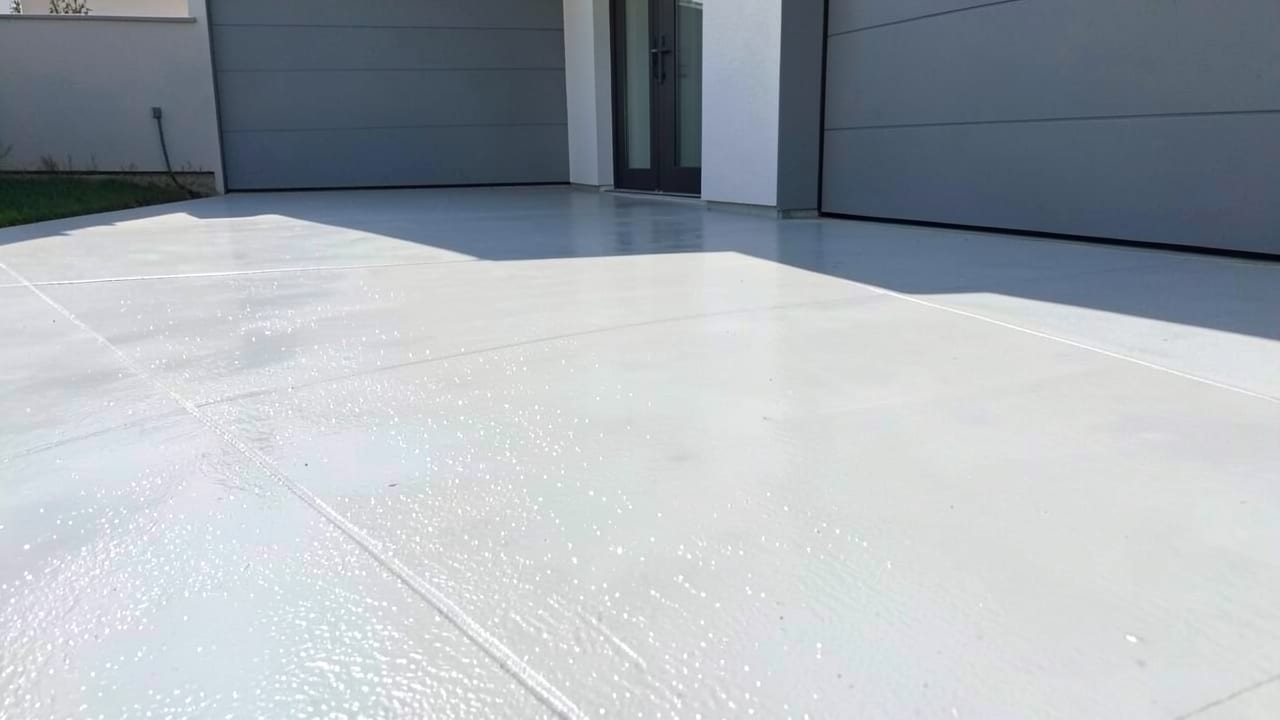
Driveway & Concrete Cleaning in Magnolia, TX
Pressure washing for driveways, walkways, and patios in Magnolia, TX — lifts oil stains, tire marks, and algae and mildew from concrete.
Learn More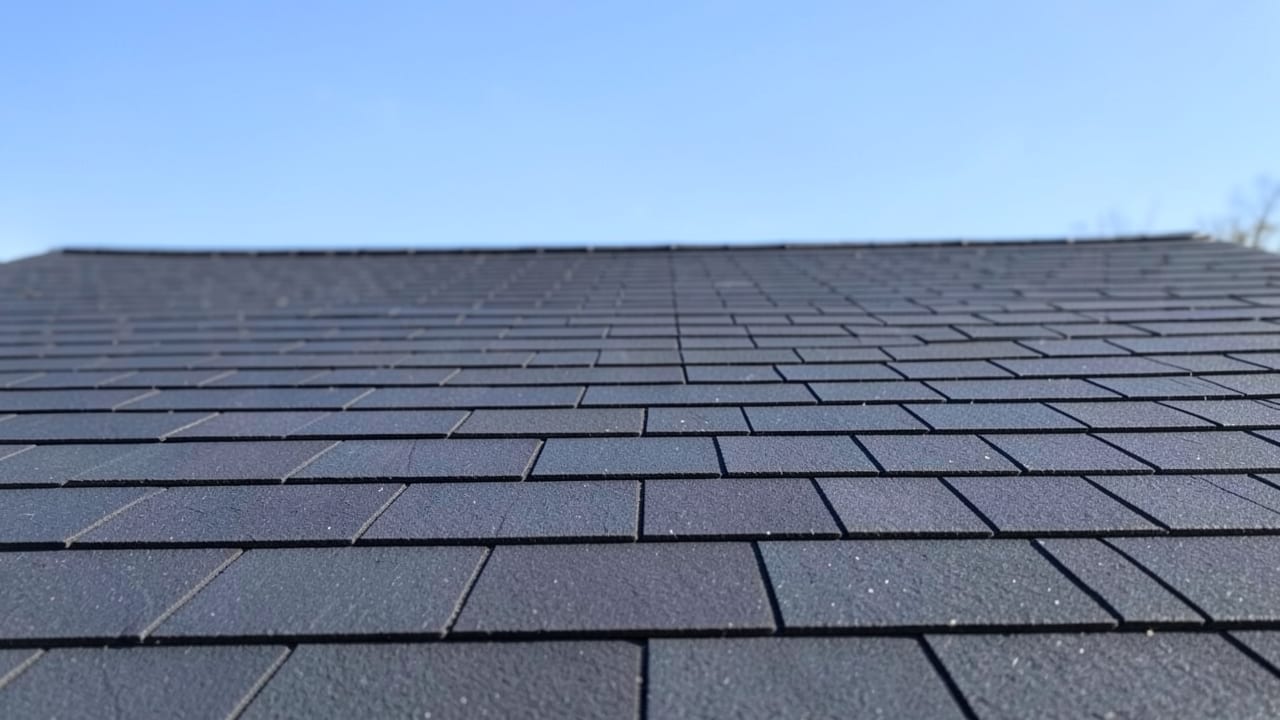
Roof Washing (Soft Wash) in Magnolia, TX
Low-pressure soft-wash roof cleaning in Magnolia, TX removes algae streaks without damaging shingles.
Learn More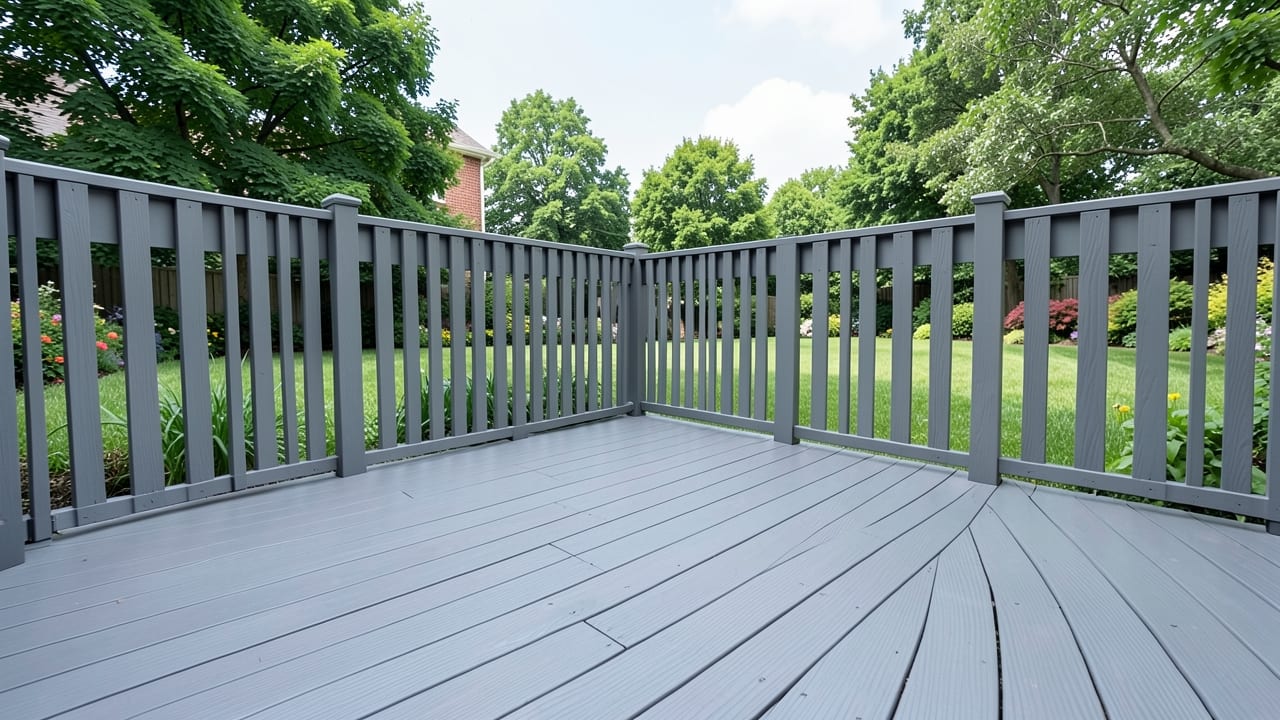
Deck & Fence Cleaning in Magnolia, TX
Wood and composite deck and fence cleaning in Magnolia, TX — restores surfaces before staining or sealing.
Learn More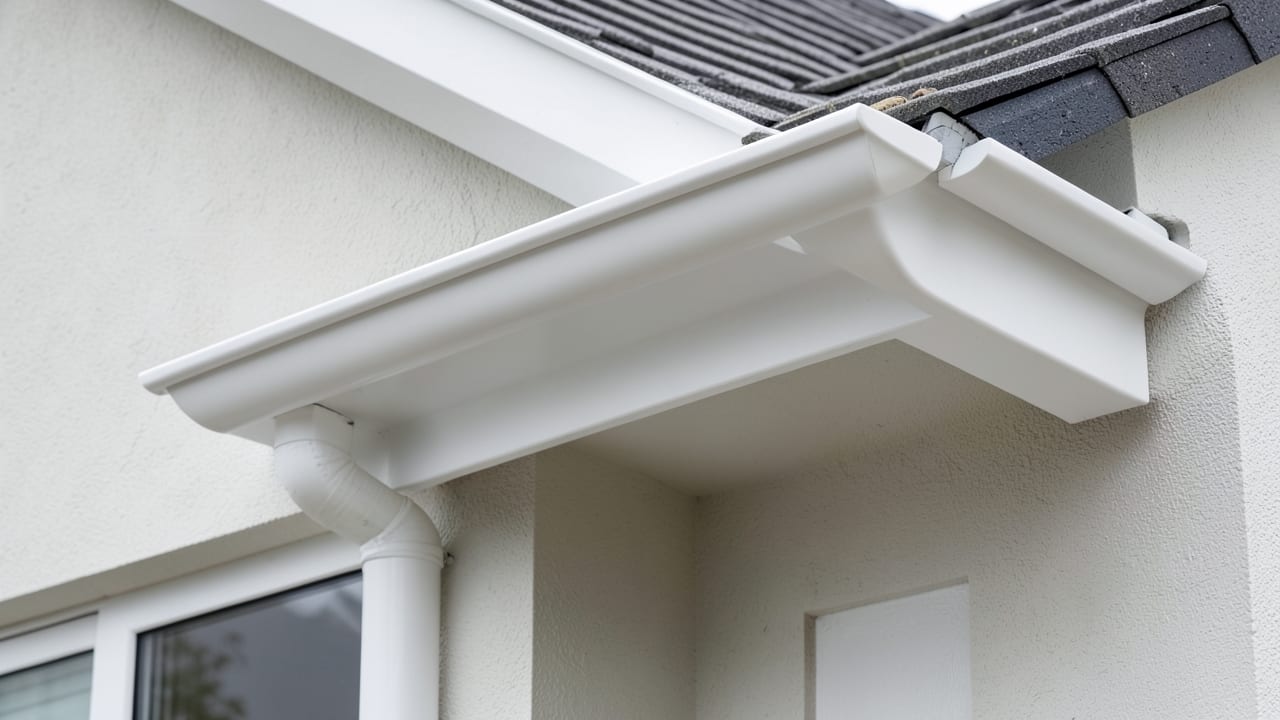
Gutter Cleaning in Magnolia, TX
Gutter and downspout cleaning in Magnolia, TX to clear leaf buildup and keep water flowing away from the foundation.
Learn More
Window Cleaning in Magnolia, TX
Exterior window and window-frame cleaning in Magnolia, TX, often bundled with a full house wash.
Learn More
Commercial Pressure Washing in Magnolia, TX
Pressure washing for storefronts, parking lots, and commercial properties in Magnolia, TX.
Learn MoreCommon Questions About Pressure Washing in Magnolia
Everything you need to know about pressure washing services in Magnolia
How much does HOA Common Area Washing typically cost in Magnolia, TX?
Why does algae and mildew growth on homes in Magnolia, TX come back so quickly?
Is renting a pressure washer and doing the job at home a reasonable option?
How long does washing a typical house exterior take?
Can pressure washing damage concrete, pavers, or mortar joints?
What are the actual named steps in a professional pressure washing job?
Need Pressure Washing in Magnolia?
Get a written quote from our Magnolia crew.
⏰ We answer your call • Serving all of Magnolia and surrounding areas