How to Prep Your Driveway for Pressure Washing in Magnolia
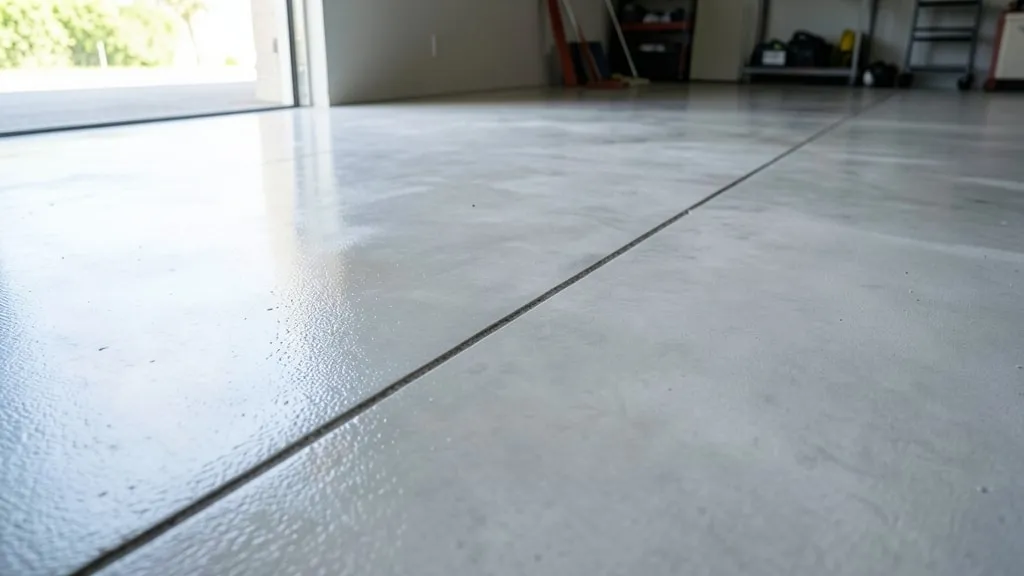
A clean driveway boosts curb appeal and prevents long-term damage, but skipping prep work can lead to uneven results or even surface harm. We’ve prepped and washed thousands of driveways in Magnolia and surrounding areas like Tomball and The Woodlands—here’s how to do it right.
Why Prep Matters for Magnolia Driveways
Our humid subtropical climate accelerates algae, mildew, and moss growth on concrete and asphalt. Prep removes loose debris and stubborn stains so the pressure washer can work efficiently.
Without prep, high PSI can drive dirt deeper into pores or strip away weak sealants. Proper prep also extends the life of your driveway between professional cleanings.
Clear the Surface Completely
Remove all vehicles, toys, and outdoor furniture. Sweep away leaves, dirt, and loose gravel—these can clog equipment or scratch surfaces during cleaning.
Check for oil stains, rust, or efflorescence (white mineral deposits). These require pre-treatment with specialized cleaners before pressure washing.
Pre-Cleaning Clear-Out
- Move all vehicles and portable items
- Sweep or leaf-blow the entire driveway
- Inspect for oil, rust, or efflorescence
- Trim nearby shrubs or overhanging branches
Pre-Treat Stubborn Stains and Growth
Oil stains need a degreaser; algae and mildew respond to a bleach-based or oxygenated cleaner. Apply with a pump sprayer and let dwell for 10–15 minutes—never let it dry.
For efflorescence, use a muriatic acid solution (1:10 with water) but test a small area first. Always wear gloves and eye protection when handling chemicals.
Never mix bleach with ammonia or vinegar. Rinse pre-treatment solutions thoroughly before pressure washing to avoid damage or fumes.
Repair Cracks and Damage Before Washing
Pressure washing can widen cracks or dislodge loose concrete. Fill small cracks with a concrete patch compound and let it cure fully—usually 24–48 hours.
For larger damage or potholes, consider professional repair before cleaning. This is common in older driveways in Pinehurst or Hockley.
| Issue | Pre-Wash Action | Dwell Time |
|---|---|---|
| Oil Stains | Apply degreaser | 10–15 min |
| Algae/Mildew | Bleach or oxygenated cleaner | 10–15 min |
| Efflorescence | Muriatic acid solution (test first) | 5–10 min |
| Small Cracks | Fill with patch compound | 24–48 hours cure |
| Loose Sealant | Scrape and reapply after cleaning | N/A |
Choose the Right Pressure Washing Equipment
For concrete, use a 25–30° nozzle at 2,500–3,500 PSI. Asphalt requires a wider 40° nozzle and lower PSI (1,500–2,000) to avoid etching.
A surface cleaner attachment ensures even coverage and prevents streaking. For large driveways, a 4.0 GPM machine speeds up the job without sacrificing power.
Narrow nozzles (0–15°) can damage concrete. Always start with a wider angle and adjust as needed for stubborn areas.
Protect Nearby Surfaces and Landscaping
Cover adjacent plants, grass, or mulch with plastic sheeting. Pressure washers can strip paint from siding or damage wooden decks in Montgomery or The Woodlands.
Use a 25° nozzle near edges to avoid blowing out joint sand or chipping pavers. Keep the wand at least 12 inches from windows or doors.
When to Call a Pro in Magnolia
If your driveway has heavy oil saturation, deep cracks, or is over 20 years old, DIY pressure washing may do more harm than good. Our team uses commercial-grade soft wash systems for delicate surfaces.
We also handle driveways with intricate designs, steep slopes, or adjacent to sensitive landscaping—common in neighborhoods like Pinehurst or Tomball.
How to Pressure Wash Your Driveway After Prep
Follow these steps for a deep clean without damaging your driveway.
- 1Test a Small Area
Start in an inconspicuous spot with your chosen nozzle and PSI. Check for etching, pitting, or discoloration before proceeding.
- 2Work in Sections
Divide the driveway into 3–4 foot sections. Apply detergent (if using) and let dwell for 5 minutes, then rinse top to bottom.
- 3Use Overlapping Strokes
Keep the wand moving in smooth, overlapping strokes to avoid streaks. Maintain a consistent 12–18 inch distance from the surface.
- 4Rinse Thoroughly
Remove all detergent and debris with a wide-angle nozzle. Work from the top of the driveway downward to prevent re-soiling.
- 5Inspect and Touch Up
Check for missed spots or stubborn stains. Reapply pre-treatment or adjust PSI as needed, then rinse again.
Frequently Asked Questions
How often should I pressure wash my driveway in Magnolia?
With our humidity and frequent rain, we recommend a professional clean every 12–18 months. Driveways in shady areas or near trees may need it annually to prevent mold and mildew buildup.
Can I pressure wash a newly poured concrete driveway?
Wait at least 30 days for concrete to cure fully. Pressure washing too soon can weaken the surface or cause discoloration, especially in new developments around Tomball or Hockley.
How can I remove oil stains from my driveway?
Pre-treat with a commercial-grade degreaser, let it dwell, then pressure wash. For deep stains, a second application or a hot water pressure washer may be needed. Avoid harsh scrubbing, which can spread the oil.
Will pressure washing damage my asphalt driveway?
Yes, if the PSI is too high or the nozzle is too narrow. Use a 40° nozzle at 1,500–2,000 PSI and keep the wand moving. Asphalt is softer than concrete and more prone to etching.
Do I need to seal my driveway after pressure washing?
Sealing isn’t mandatory but helps protect against stains, UV damage, and moisture. Wait 24–48 hours after cleaning for the surface to dry completely before applying sealant.
Can I pressure wash my driveway in cold weather?
Avoid pressure washing if temperatures are below 50°F. Water can freeze in cracks or on the surface, leading to damage. Magnolia’s mild winters allow for year-round cleaning, but early mornings can be too cold.