Pressure Washing Your Pool Deck in Magnolia: Boost Safety and Longevity
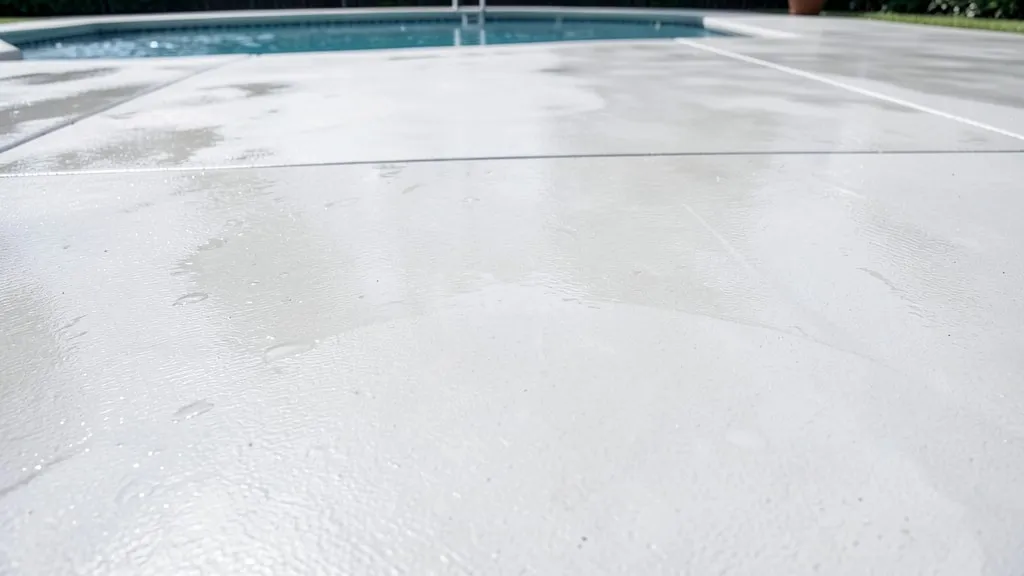
A pool deck takes a beating in our Texas heat and humidity. Algae, grime, and mineral buildup don’t just look bad—they create slip hazards and accelerate wear. We restore safety and curb appeal with precision pressure washing tailored to Magnolia’s climate and materials.
Why Pool Decks in Magnolia Need Regular Pressure Washing
Our hot, humid summers and occasional freezes in winter wreak havoc on pool decks. Algae and mold thrive in moisture, while UV rays fade and weaken sealants faster than in milder climates.
Without routine cleaning, these contaminants embed into porous surfaces like concrete, pavers, or travertine. Over time, they degrade the material and shorten the deck’s lifespan by years.
Slippery surfaces are a liability around pools. Pressure washing removes bio-film that even sweeping or mopping can’t touch, restoring traction for bare feet.
Signs Your Pool Deck Needs a Professional Clean
Visible green, black, or white streaks mean algae, mold, or efflorescence. These aren’t just eyesores—they signal deeper contamination.
If the surface feels slick underfoot, even when dry, it’s time. Bio-film and mineral deposits reduce friction, increasing fall risks for kids and adults alike.
Stains from leaves, sunscreen, or pool chemicals won’t budge with a hose. Professional pressure washing lifts embedded grime without damaging the substrate.
When to Schedule Pool Deck Cleaning
- Before opening the pool for summer
- After heavy storms or windy seasons
- When you notice discoloration or slipperiness
- Prior to resealing or refinishing the deck
Material Matters: Adjusting Pressure for Different Pool Decks
Concrete and pavers handle higher PSI (2,500–3,500), but we use a wide-angle nozzle to avoid etching. Travertine or flagstone require lower pressure (1,200–1,800 PSI) and a soft wash approach to prevent pitting.
Wood decks, like cedar or composite, need even gentler treatment. We often switch to a fan tip and keep PSI under 1,500 to avoid splintering or damaging the grain.
For stained or sealed surfaces, we pre-treat with a biodegradable degreaser. This breaks down oils and sunscreen residues that pressure alone can’t remove.
| Material | PSI Range | Nozzle Tip | Notes |
|---|---|---|---|
| Concrete | 2,500–3,500 | 25°–40° | Use surface cleaner for even coverage |
| Pavers | 2,000–2,800 | 25°–40° | Avoid lifting sand between joints |
| Travertine/Flagstone | 1,200–1,800 | 40°–65° | Soft wash only; pre-test in small area |
| Wood (Cedar/Composite) | 800–1,500 | 40°–65° | Keep nozzle 12–18" away |
| Stamped Concrete | 1,800–2,500 | 25°–40° | Lower PSI for intricate patterns |
The Hidden Risks of DIY Pressure Washing
Renting a pressure washer seems straightforward, but improper technique can cause costly damage. Too much PSI strips sealants, etches concrete, or gouges wood.
Even experienced homeowners often overlook the angle. Holding the wand too close or at a sharp angle creates uneven cleaning or permanent scars in the surface.
Chemical misuse is another pitfall. Bleach can discolor pavers or kill nearby plants if not diluted and rinsed properly. We use eco-friendly cleaners safe for Magnolia’s landscapes.
Never use a 0° (red) nozzle on pool decks. The concentrated stream can cut through sealants and even chip concrete or pavers.
How Pressure Washing Extends Your Pool Deck’s Life
Removing contaminants prevents moisture retention, which is critical in our humid climate. Trapped water leads to freeze-thaw damage in winter and efflorescence year-round.
Regular cleaning also preserves sealants. UV rays and chemicals break down protective coatings faster on dirty surfaces. A clean deck holds sealant better, reducing resealing frequency.
For wood decks, pressure washing removes mold spores that cause rot. This is especially important in shaded areas of Magnolia backyards, where moisture lingers longer.
Local Considerations for Magnolia Pool Decks
Our clay soil and hard water leave mineral deposits that are tougher to remove than in areas with softer water. Pre-treatment with acid-based cleaners (for concrete) or oxalic acid (for rust stains) is often necessary.
Nearby neighborhoods like Tomball and The Woodlands share similar challenges. Pinehurst’s sandy soil can track grit onto decks, requiring more frequent cleaning to prevent scratching.
After cleaning, we recommend a penetrating sealer for concrete or pavers. This repels water and stains, which is a game-changer during our sudden summer downpours.
Wait 24–48 hours after pressure washing before resealing. The surface must be completely dry to ensure proper adhesion.
Pairing Pool Deck Cleaning with Other Services
A clean pool deck looks out of place next to a dirty driveway or patio. We often bundle deck cleaning with driveway and concrete cleaning for a cohesive look.
Gutter cleaning is another smart add-on. Clogged gutters overflow onto pool decks, depositing debris and accelerating staining. Keeping them clear protects your investment.
For homes in Montgomery or Hockley with large outdoor spaces, we also offer fence and deck cleaning. Consistency in maintenance ensures your entire backyard stays safe and inviting.
How to Maintain Your Pool Deck Between Professional Cleanings
A little upkeep goes a long way in preserving your deck’s cleanliness and safety.
- 1Sweep Regularly
Remove leaves, dirt, and debris weekly to prevent staining and reduce slip hazards. Use a stiff-bristle broom for textured surfaces.
- 2Rinse After Pool Use
Hose down the deck after parties or heavy use to wash away sunscreen, chlorine, and body oils before they set in.
- 3Spot-Clean Stains
Use a mild detergent and a soft brush for small stains. Avoid wire brushes on concrete or pavers—they can scratch or damage the surface.
- 4Inspect for Damage
Check for cracks, loose pavers, or worn sealant monthly. Addressing minor issues early prevents bigger, costlier repairs later.
- 5Reapply Sealant
If your deck has a sealant, reapply it every 1–2 years (or as recommended). This protects against UV rays, moisture, and stains.
Frequently Asked Questions
How often should I pressure wash my pool deck in Magnolia?
For most homes, once a year is sufficient. However, high-traffic decks or those surrounded by trees may need cleaning every 6 months. Our climate’s humidity and UV exposure accelerate buildup, so monitor slipperiness and discoloration.
Can pressure washing damage my travertine pool deck?
Yes, if done incorrectly. Travertine is soft and porous, so we use low PSI (1,200–1,800), a wide-angle nozzle, and a soft wash technique. Pre-testing in a small area ensures the method won’t etch or pit the stone.
Will pressure washing remove old sealant from my concrete pool deck?
It can, depending on the sealant type and age. We often use a combination of pressure washing and chemical strippers for stubborn sealants. Removing old sealant is crucial before applying a new coat to ensure proper adhesion.
Is it safe to pressure wash a pool deck with nearby plants?
Yes, with precautions. We use biodegradable cleaners and rinse thoroughly to avoid harming landscaping. For sensitive plants, we cover them with tarps or pre-wet the soil to dilute any runoff.
Do you offer pressure washing for pool decks in The Woodlands or Tomball?
Absolutely. We serve Magnolia and surrounding areas, including The Woodlands, Tomball, Pinehurst, and Hockley. Our team is familiar with the local climate and common deck materials in these neighborhoods.
How can you prevent algae regrowth after cleaning?
Apply an algae-resistant sealant after cleaning, and ensure proper drainage around the deck. Regular sweeping and rinsing also help. In shaded areas, consider trimming nearby trees to increase sunlight, which inhibits algae growth.